
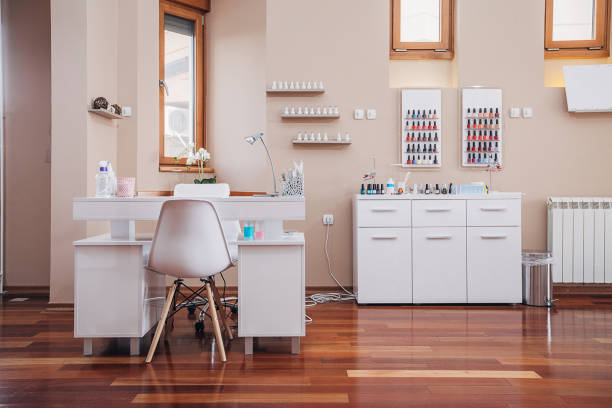
Maintaining healthy, well-groomed nails can boost your confidence and contribute to overall self-care. However, determining how often you should visit a nail salon depends on a variety of factors, including your personal preferences, lifestyle, and nail health needs. Striking the right balance is essential to ensure that your nails remain strong, healthy, and visually appealing.
General Guidelines for Nail Care Frequency
- Manicures: Every 1–2 weeks
Regular manicures help keep your fingernails polished, shaped, and free from chips or irregularities. This interval is suitable for individuals who prioritize neat nails or regularly wear nail polish. For those with natural nails who don’t use polish frequently, once every 2–3 weeks may be sufficient. - Pedicures: Every 3–4 weeks
Pedicures generally last longer than manicures because toenails grow more slowly. Regular pedicures not only keep toenails clean and trimmed but also prevent issues such as ingrown nails or cracked heels.
Benefits of Regular Manicures and Pedicures
- Improved Nail Health: Prevents breakage, splitting, or fungal infections.
- Aesthetic Appeal: Keeps nails polished and presentable.
- Relaxation: Provides an opportunity for self-care through massage and pampering.
- Skin Hydration: Regular treatments help maintain soft skin around the hands and feet.
Customizing Your Routine Based on Nail Type
| Nail Type | Recommended Frequency | Key Considerations |
| Brittle Nails | Every 2 weeks | Use strengthening treatments during appointments. |
| Weak Nails | Every 1–2 weeks | Avoid harsh chemicals; opt for gentle polishes. |
| Healthy Nails | Every 2–3 weeks | Focus on maintenance rather than intensive care. |
Other Factors That Impact Frequency
- Individuals in professions involving frequent hand use (e.g., healthcare workers) may need biweekly visits due to increased wear.
- Those with sedentary jobs may prolong intervals between visits.
- Gel or acrylic nails typically require infills every 2–3 weeks.
- Natural nail enthusiasts can space out appointments further.
By understanding these considerations and tailoring your routine accordingly, you can maintain both the aesthetic appeal of your nails and their underlying health over time.
How Often Should You Visit an Aesthetic Clinic Richardson for Manicures and Pedicures?
Determining how often you should visit a nail salon for manicures and pedicures largely depends on several personal factors. Each individual’s nail health, lifestyle, and preferences play a crucial role in deciding the ideal frequency. Below, we explore key elements that can help guide your nail care schedule.
1. Nail Growth Rate
The speed at which your nails grow directly impacts how often you might need to schedule a manicure or pedicure. On average, fingernails grow about 3.5 millimeters per month, while toenails grow more slowly at roughly 1.6 millimeters per month. If your nails grow quickly, you may notice regrowth or unevenness sooner, requiring touch-ups every 1-2 weeks for manicures and every 3-4 weeks for pedicures.
Factors that can affect nail growth include:
– Genetics: Some people naturally have faster-growing nails due to genetic predisposition.
– Nutrition: A healthy diet rich in biotin, vitamin E, and omega-3 fatty acids can promote faster nail growth.
– Health conditions: Certain medical conditions (e.g., thyroid disorders) may slow down or alter nail growth patterns.
2. Lifestyle and Daily Activities
| Lifestyle Factor | Impact on Nails | Suggested Frequency |
| Frequent use of hands (e.g., typing or cooking) | Increased wear on polish; higher risk of chipping | Weekly to biweekly manicures |
| Regular exposure to water (e.g., swimming or dishwashing) | Weakening of polish; potential softening of nails | Weekly touch-ups |
| Active lifestyle (e.g., sports activities) | Toenails prone to damage; calluses may form | Biweekly to monthly pedicures |
If your job or hobbies expose you to harsh chemicals or require frequent handwashing, you may notice polish fading faster and need more frequent salon visits.
3. Seasonal Changes
- Summer: Warmer weather usually means open-toed shoes and sandals, making regular pedicures essential for maintaining the appearance of feet. Aim for biweekly visits during this season if you’re frequently wearing sandals.
- Winter: During colder months, reduced exposure may mean fewer trips to the salon for pedicures unless you’re addressing dryness or cracked heels caused by cold air.
- Special Occasions: Holiday seasons, weddings, vacations, or other events might call for extra appointments tailored around specific dates.
4. Maintenance Between Visits
- Apply cuticle oil daily to maintain hydration.
- Use hand creams regularly if prone to dryness.
- File any chips immediately rather than peeling off polish.
- Invest in high-quality base coats and topcoats during at-home touch-ups.
By understanding these influencing factors—nail growth rate, activities, seasonal changes—you can customize a manicure-pedicure routine that keeps your hands and feet looking their best year-round without compromising on health.
How Medical Spa Richardson TX Services Can Influence Your Nail Care Routine
Scheduling visits to the nail salon isn’t a one-size-fits-all decision—it largely depends on individual factors like nail growth rate, daily habits, and the time of year. Understanding these influences can help you determine how frequently you should get manicures or pedicures to maintain healthy and beautiful nails.
Discover Exceptional Nail Growth Solutions at Our Cosmetic Clinic Richardson
Your nails grow at an average rate of 2-3 millimeters per month. However, this rate can vary depending on:
– Age: Younger individuals tend to have faster nail growth compared to older adults.
– Diet: A nutrient-rich diet containing biotin, zinc, and proteins contributes to healthier and faster-growing nails.
– Health Conditions: Conditions like thyroid disorders or medication use may slow down or speed up nail growth.
If your nails grow quickly, you may notice outgrowth near the cuticles sooner, prompting more frequent visits for touch-ups. Slower-growing nails may require fewer trips while still maintaining a polished appearance.
Lifestyle Considerations
- Profession: If you work with your hands extensively—whether typing all day or engaging in labor-intensive activities—your manicure may chip or wear quickly. This requires more regular upkeep.
- Hobbies: Activities like gardening or frequent swimming can expose your nails to dirt, water, and chemicals that weaken polish and natural nail strength over time.
- Personal Style Preferences: Individuals who prefer elaborate designs or longer acrylics may need more frequent maintenance appointments compared to those opting for minimalistic styles.
If you’re someone whose lifestyle demands pristine-looking hands at all times (e.g., client-facing professionals), scheduling weekly appointments might make sense. On the other hand, those with less demanding routines could space visits 2–3 weeks apart without issue.
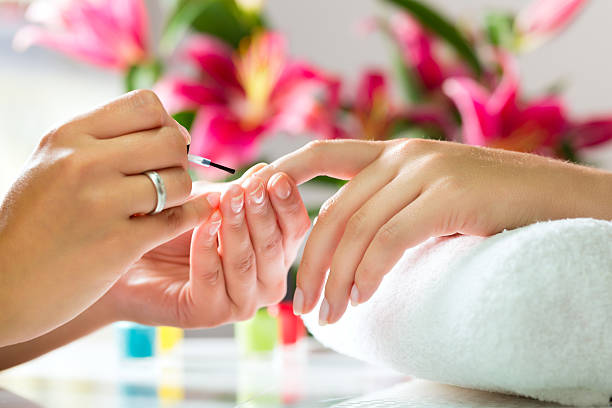
Seasonal Variations Impacting Nail Care Frequency
| Season | Impact on Nails | Suggested Frequency |
| Summer | Increased exposure to sun, sand, water; potential dryness/cracking | Every 1–2 weeks |
| Winter | Cold weather can lead to brittle nails and dry cuticles | Every 2–3 weeks |
| Spring/Fall | Transitional weather; moderate impact | Every 2–4 weeks |
For example: During summer months when sandals are a wardrobe staple, pedicures might become more frequent due to heightened focus on foot aesthetics. Conversely, during winter months when feet are primarily covered by socks/boots, visits might be slightly spaced out unless dryness becomes noticeable.
Tips for Determining Your Ideal Schedule
- Monitor your natural nail condition between appointments to gauge durability.
- Speak with your nail technician—they are knowledgeable about what works best for different lifestyles and conditions.
- Use high-quality aftercare products (like cuticle oils) at home between sessions to extend results.
- Pay attention to seasonal changes in moisture levels that affect both skin and nails.
By tailoring your schedule based on personal factors such as growth rate, daily habits, seasonal weather patterns—and listening closely to what works for you—you’ll keep your hands and feet in optimal condition while ensuring every visit is both effective and worthwhile.
What Happens If You Wait Too Long Between Pedicures: Effects on Nail Health
Pedicures are more than a beauty treatment—they play an essential role in maintaining the health and hygiene of your feet and nails. However, extending the time between pedicures can lead to several issues that may affect your nail health, skin condition, and overall foot hygiene. Below is an overview of what can happen if you wait too long between pedicure appointments.
1. Buildup of Dead Skin Cells
- Calluses can thicken and harden, making them more difficult to remove later.
- Cracked heels may develop due to excessive dryness and pressure on certain areas.
- Skin may feel rough or flaky, which could lead to irritation or infection over time.
Regular pedicures often involve exfoliating scrubs and pumice treatments that keep these issues at bay.
2. Overgrown Nails
- Overgrown toenails, which may become uncomfortable and prone to breaking.
- Increased risk of ingrown toenails, particularly when shoes apply pressure on misaligned or unmanaged nails.
- Nails that are harder to trim or shape, potentially leading to uneven edges or splitting.
Proper trimming during a pedicure not only enhances nail appearance but also prevents painful conditions like ingrown nails or infections.
3. Risk of Fungal Infections
- Prolonged exposure to moisture trapped in shoes.
- Lack of proper cleaning under the nails.
- Neglecting cuticle care, which creates an entry point for bacteria.
Keeping up with routine salon visits ensures that nails are cleaned thoroughly, reducing bacteria buildup.
4. Dryness and Lack of Moisturization
| Problem | Cause | Result |
| Dry patches | Reduced moisturizing routines | Discomfort and rough texture |
| Cracked skin | Environmental factors like cold air | Painful splits in skin |
| Loss of elasticity | Lack of deep hydration treatments | Premature aging appearance |
Pedicures typically involve moisturizing masks or lotions designed specifically for foot care. Skipping these treatments allows dryness to worsen over time.
5. Diminished Aesthetic Appeal
- Nail polish begins to chip, causing uneven coloration.
- Discoloration under the nails from debris buildup becomes visible.
- Nails lose their natural shine when not buffed regularly during professional treatments.
While aesthetics may not influence everyone’s decision for frequent salon visits, well-maintained feet convey hygiene awareness and attention to detail.
How Often Should You Get Pedicures?
- Aim for a professional pedicure every 4–6 weeks depending on your lifestyle:
- Those frequently exposed to water (e.g., swimmers) might need more frequent care.
- Individuals wearing open-toe footwear often may also require additional visits due to exposure-related dryness.
- Regularly exfoliate using foot scrubs at home.
- Moisturize daily with thick creams designed for heels and soles.
By adhering to a consistent schedule coupled with home maintenance efforts, you can enjoy healthier feet free from discomfort while improving their overall aesthetic appeal.
What Happens If You Wait Too Long Between Pedicures: Effects on Nail Health
Pedicures are more than just a beauty treatment—they play an essential role in maintaining the health of your feet and nails. While occasional delays between pedicure appointments are often unavoidable, waiting too long can have negative effects on both the appearance and health of your nails and skin. Regular maintenance is key to avoiding common issues that arise from neglecting pedicure sessions.
Common Issues Caused by Long Gaps Between Pedicures
- Dry Skin Accumulation: Without proper exfoliation and moisturizing, dead skin cells build up on your feet, leading to dryness, cracking, or even painful heel fissures.
- Ingrown Toenails: Failing to trim nails properly can result in ingrown toenails that cause pain, redness, and even infection if left untreated.
- Thickened Calluses: Calluses naturally form as a protective barrier against pressure or friction. However, without regular care to reduce their thickness, they can become hard and uncomfortable.
- Nail Discoloration: Dirt and debris trapped under unkempt toenails may lead to discoloration or staining over time.
- Fungal Infections: Prolonged moisture exposure (e.g., sweating) combined with irregular cleaning may increase the risk of fungal infections like athlete’s foot or nail fungus.
Why Consistency Matters for Foot Health
- Prevention of Infections: Cleaning underneath the toenails during a pedicure removes bacteria and prevents fungal growth.
- Improved Circulation: Massage during pedicures stimulates blood flow in your feet and lower legs.
- Early Detection of Issues: A professional nail technician may notice signs of potential problems like bunions or corns early on.
Suggested Pedicure Frequency
| Frequency | Recommended For |
| Every 2 weeks | Those with fast-growing nails or prone to calluses |
| Every 3–4 weeks | Average wear-and-tear; good for most people |
| Every 6–8 weeks | Minimal nail growth; limited exposure to wear |
Tips for Maintaining Foot Health Between Appointments
- Moisturize Daily: Use a thick cream or lotion designed specifically for foot care to prevent dryness.
- Keep Nails Trimmed: Cut toenails straight across using sanitized tools to reduce the risk of ingrown nails.
- Exfoliate Weekly: Use a pumice stone or foot scrub once a week to remove dead skin cells and maintain softness.
- Wear Proper Footwear: Choose breathable shoes that fit well to minimize friction and moisture buildup.
By staying mindful of these effects and taking proactive measures, you can protect your nails from damage while ensuring they remain strong, healthy, and well-groomed over time.
- The Ultimate Guide to Choosing the Best Medical Spa Richardson TX
- How Medical Spa Richardson TX Prioritizes Hygiene to Build Client Trust
- How to Find the Best Medical Spa Richardson TX for Your Needs
- Exploring the Growing Popularity of Nail Salon Richardson TX and Their Services
- How Often Should You Visit a Nail Salon Richardson TX for Healthy and Beautiful Nails
- Discover the Best Treatments at a Medical Spa Richardson TX
- Top Reasons to Choose an Aesthetic Clinic Richardson for Your Beauty Needs