How Medical Spa Richardson TX Prioritizes Hygiene to Build Client Trust

Small business owners, Asian female entrepreneurs, working together, checking appointments and sales using a laptop computer at their nail salon store. Small business owners, Asian female entrepreneurs, working together, checking appointments and sales using a laptop computer at their nail salon store. They are in a partnership, collaborating, brainstorming, and planning sales for their business." nail salon stock pictures, royalty-free photos & images

Maintaining impeccable hygiene in the nail industry is essential for building and retaining client trust. When clients walk into a nail salon, they not only seek professional services but also expect a clean, safe, and hygienic environment. Hygiene practices directly influence customer perceptions, satisfaction levels, and overall business reputation.

Why Hygiene is Crucial in the Nail Industry

  1. Health and Safety Concerns
    Nail salons deal with tools that come into direct contact with skin and nails. Without proper hygiene protocols, there is a heightened risk of spreading infections such as fungal infections, warts (caused by HPV), or even more serious bacterial infections. Prioritizing hygiene ensures both clients’ safety and your business’s accountability.
  2. Compliance with Regulations
    Local health authorities enforce strict cleanliness standards for nail salons to protect public health. Regular inspections evaluate whether businesses adhere to these requirements. Non-compliance can lead to fines or license suspensions, making hygiene not only an ethical responsibility but a legal one.
  3. Building Client Confidence
    Clients are more likely to return to a salon where they feel their health is prioritized. A visibly clean space, sanitized tools, and hygienic practices communicate professionalism and care.
  4. Brand Reputation
    Word-of-mouth referrals play a big role in the nail industry’s success. Demonstrating stringent hygiene practices enhances your reputation as a trusted provider of safe services.

Key Elements of Hygiene in Nail Salons

  • Single-use items like nail buffers or emery boards should only be used once per client.
  • Metal tools like cuticle clippers require disinfection between appointments using hospital-grade solutions.
  • Technicians should wash hands thoroughly before every service.
  • Clients’ hands should also be cleaned prior to starting the procedure.
  • Surfaces must be wiped down after each session using disinfectants approved by regulatory bodies.
  • Towels or table covers should be replaced for every customer.
  • Floors must be swept regularly throughout the day.
  • Mopping with an antibacterial solution at least once daily helps reduce potential contamination.

Common Practices That Shape Client Trust

  1. Transparent Communication Displaying sanitation protocols prominently within the salon builds confidence in customers about your commitment to their well-being.
  2. Visible Cleaning Procedures If clients can see technicians sanitizing equipment before use or wiping down surfaces, it reassures them about safety measures being taken seriously.
  3. Offering Antiseptic Products Providing hand sanitizer or alcohol-based wipes at entry points shows attention to detail regarding germ prevention.

Table: Comparison – Hygienic vs Non-Hygienic Practices

Practice Hygienic Approach Non-Hygienic Approach
Tool Usage Sterilized or single-use tools Reusing unsanitized equipment
Hand Washing Before every service Ignoring this step
Surface Cleaning Wiping after each client Rarely cleaned between appointments
Towels/Cloth Items Fresh for each client Reusing without washing

By adhering to these principles and maintaining consistent efforts toward hygiene excellence, nail salons can cultivate lasting relationships with their clientele while safeguarding everyone’s well-being effectively.

Nail Salon Richardson TX: Ensuring High Standards of Hygiene for Customer Safety

Maintaining impeccable hygiene in nail salons is not only a legal requirement but also a cornerstone of customer trust and safety. Poor hygiene practices can lead to severe consequences, such as infections, tarnished reputations, and potential legal actions. By adhering to high standards of cleanliness, nail salons ensure that clients enjoy relaxing and safe experiences while safeguarding their health.

Risks Associated With Poor Hygiene Practices in Nail Salons

  • Fungal Infections: These can result from improperly cleaned tools or unsanitized foot baths.
  • Bacterial Infections: Dangerous bacteria like Staphylococcus aureus can thrive on unclean surfaces or tools.
  • Viral Infections: The use of non-sterilized instruments increases the risk of transmitting viruses like Hepatitis B or C.
  • Skin Irritations: Harsh chemicals combined with poor sanitation may cause allergic reactions or surface-level abrasions to worsen.

Key Hygiene Practices for Nail Salons

  1. Both technicians and clients should wash hands before any service begins.
  2. Alcohol-based hand sanitizers should be readily available throughout the salon.
  3. Use an autoclave to sterilize metal tools after each use.
  4. Disposable items like nail files, buffers, and wooden sticks should not be reused under any circumstances.
  5. Clean reusable tools with soap and water prior to disinfecting them with EPA-approved solutions.
  6. Wipe down workstations with disinfectant after each client.
  7. Use disposable towels or mats at client stations to minimize cross-contamination.
  8. Drain, clean, and disinfect foot spas after every use with hospital-grade cleaning agents.
  9. Replace filters regularly according to manufacturer recommendations.
  10. Dispose of single-use items immediately after use in designated trash receptacles.
  11. Ensure hazardous waste materials such as sharp implements are discarded responsibly.

Role of Staff Training in Upholding Hygiene Standards

  • Understanding infection control measures based on local health regulations.
  • Proper handling and storage techniques for disinfectants.
  • Steps for effective cleaning routines between appointments.

Table: Recommended Cleaning Frequencies for Common Items in Nail Salons

Item/Area Frequency Cleaning Method
Metal Tools After every use Wash + Autoclave sterilization
Foot Baths After every use Drain + Disinfect
Workstations Between clients Wipe down with EPA-approved solution
Towels After every client Wash using hot water + detergent
Floors Daily Sweep + Mop with disinfectant

By integrating these proven strategies into daily operations, nail salons not only create a safe environment but also earn the loyalty of their clientele through transparent hygienic practices that prioritize well-being over profits.

Understanding Essential Decontamination Levels in Nail Salons at an Aesthetic Clinic Richardson

Maintaining an exceptional level of hygiene in nail salons is critical for ensuring client safety and satisfaction. The process of decontamination involves three primary steps: cleaning, disinfecting, and sterilizing. Each step has its unique purpose and significance in preventing the spread of harmful pathogens, such as bacteria, fungi, and viruses. Below is a detailed exploration of these essential practices.

Cleaning: The First Line of Defense

Cleaning is the initial step in reducing contamination. This process removes visible dirt, dust, debris, and organic material from tools, surfaces, and workstations.

  • Use warm water with detergent or soap to wash tools after each use.
  • Scrub surfaces with a disposable cloth or brush to remove residues.
  • Rinse thoroughly under running water to ensure no soap remains.
  • Why It’s Important:
    Cleaning reduces the load of organic matter that can interfere with subsequent disinfection or sterilization steps. Without this initial step, more resilient pathogens may remain hidden beneath residues.

Disinfecting: Targeting Pathogens

Disinfection focuses on eliminating most bacteria and viruses present on salon tools and surfaces after cleaning. This step does not necessarily kill all microorganisms but reduces them to levels considered safe for human contact.

  • Common Disinfectants Used in Nail Salons:
    | Disinfectant | Key Ingredients | Effectiveness | Contact Time | |———————–|——————————–|—————————————-|————–| | Isopropyl Alcohol | 70%-90% alcohol | Kills bacteria & some viruses | ~5 minutes | | Quaternary Ammonium | Ammonium compounds | Broad-spectrum germ-killer | ~10 minutes | | Bleach (Sodium Hypochlorite) | Chlorine-based solutions | Effective against viruses & fungi | ~10 minutes |
  • Immerse reusable tools (e.g., metal clippers) completely in disinfectant solutions. Ensure they are submerged for the manufacturer-recommended duration.
  • Wipe down workstation counters and client chairs daily using EPA-registered disinfectants.
  • Replace disposable items like nail files or buffers after every client interaction.

Sterilizing: Ensuring Maximum Protection

Happy Asian female small business partners are smiling at the camera while working together in their nail salon store. Happy Asian female small business partners are smiling at the camera while working together in their nail salon store. Their joyful expressions reflect their teamwork and success as they manage the business with pride and confidence. nail salon stock pictures, royalty-free photos & images

Sterilization is the final step aimed at eradicating all forms of microbial life from tools. This standard is mandatory for items that come into direct contact with skin or nails where cuts may occur.

  • Autoclave Machines: These utilize high-pressure steam at temperatures over 120°C to destroy microorganisms entirely.
    • Pros: Highly effective; widely used within medical-grade environments.
    • Cons: Upfront cost may be prohibitive for small-scale salons.
  • UV Sterilizers: While often marketed as effective alternatives, these are not considered reliable as standalone methods since they may not eliminate all pathogens on uneven surfaces.
    • Cuticle pushers
    • Nail nippers
    • Tweezers

Sterilized implements must be stored immediately in sealed pouches or sterile containers until their next use.

Combining All Three Steps for Optimal Results

To ensure comprehensive hygiene standards:

1. Begin by cleaning every tool before moving on to disinfection or sterilization processes.

2. Clearly label separate areas in your salon for “used,” “in progress,” and “sterile” tools to avoid cross-contamination. 3

. Conduct frequent training sessions with your staff so they understand proper protocols related to decontamination processes.

By adhering strictly to these practices—cleaning first to remove visible contaminants, followed by disinfection for pathogen reduction—and committing to regular sterilization techniques where required—nail salons can create an environment that prioritizes both client health and professional credibility while delivering excellent service experiences consistently over time.​

Effective Infection Control and Prevention Tips at a Cosmetic Clinic in Richardson

Maintaining a clean and hygienic environment in nail salons is not just a matter of aesthetics—it’s critical to the health and safety of both clients and staff. By adopting effective infection control practices, nail salons can minimize the spread of harmful pathogens while fostering trust among their clientele. Below are actionable tips and guidelines that every nail salon should implement to manage infection risks effectively.

Key Practices for Infection Control

  1. Encourage staff to wash hands thoroughly with soap and water before and after handling each client.
  2. Provide hand sanitizers with at least 60% alcohol content at workstations for both staff and customers.
  3. Advise clients to cleanse their hands as well before any service begins.
  4. Ensure technicians wear disposable gloves when performing services, particularly those involving skin contact or invasive procedures like cuticle trimming.
  5. Encourage the use of face masks, especially during services that involve filing nails, which might generate dust particles.
  6. Use single-use tools whenever possible (e.g., emery boards, buffers).
    1. Wash them with soap and warm water to remove debris.
    2. Disinfect with an EPA-approved solution or hospital-grade disinfectant.
    3. Sterilize using an autoclave or UV sterilizer for added safety.
  7. Wipe down all surfaces (tables, armrests, chairs) between each client using appropriate disinfectants formulated to kill bacteria and viruses.
  8. Cover tables with disposable mats that can be replaced between clients.
  9. Ensure proper ventilation in the salon to reduce airborne contaminants.
  10. Consider using air purifiers equipped with HEPA filters to capture fine particles.

Daily Cleaning Schedule

Task Frequency Recommended Method
Sweeping floors After every client Use a broom or vacuum; dispose of debris immediately
Disinfecting tool stations Between each client Spray EPA-registered disinfectant
Sanitizing reception area Every 2-3 hours Wipe surfaces with disinfectant wipes
Deep cleaning restrooms Once daily Clean with bleach-based solutions

Strategies for Preventing Cross-Contamination

  • Keep clean tools separate from used/dirty equipment during services.
  • Avoid double-dipping applicators into lotions, creams, or gel products.
  • Label containers clearly to prevent accidental product swapping.
  • Store sanitized tools in closed containers until needed.

Educating Staff and Clients

  • Conduct regular training sessions on hygiene best practices for employees.
  • Display informational posters about handwashing techniques near sinks or service areas.
  • Offer brochures detailing your salon’s hygiene measures so clients feel reassured about your commitment to safety.

By adhering strictly to these germ-aware practices, nail salons can significantly enhance their infection prevention efforts while creating a welcoming environment where clients feel confident receiving services without compromising health standards.

The Versatility of Hypochlorous Acid: From Wound Care to Nail Salon Applications

Hypochlorous acid (HOCl) may not be a household name, but it is increasingly being recognized as an essential compound in various industries, including healthcare, beauty, and personal care. Nail salons, in particular, are benefiting from the versatility of this all-in-one disinfectant. From promoting hygiene to enhancing client safety and trust, hypochlorous acid has become a game-changer for salon professionals.

What is Hypochlorous Acid?

Hypochlorous acid is a naturally occurring substance produced by white blood cells in the human body to fight infections. It is highly effective against bacteria, viruses, and fungi while being non-toxic to humans and animals. This makes it an ideal disinfectant for environments where both efficacy and safety are priorities.

  • Broad-spectrum antimicrobial activity: Effective against a wide range of pathogens.
  • Non-irritating: Gentle on skin and safe for daily use.
  • Eco-friendly: Biodegradable and free from harsh chemicals.
  • Odorless: Suitable for indoor use without unpleasant chemical smells.

Applications of Hypochlorous Acid in Nail Salons

  1. HOCl can be used to sanitize workstations, manicure tools, countertops, chairs, and other frequently touched surfaces.
  2. It eliminates harmful microbes while being gentle on surfaces like leather or plastic.
  3. While sterilization equipment like autoclaves is indispensable for reusable tools such as cuticle nippers or nail scissors, hypochlorous acid serves as an excellent adjunct disinfectant between appointments.
  4. Tools can be wiped down with HOCl-based solutions or soaked briefly before undergoing further sterilization processes.
  5. Offering HOCl sanitizing sprays or wipes for clients before their appointment adds an extra layer of infection control.
  6. Unlike alcohol-based products that can dry out the skin with repeated use, HOCl provides effective sanitation without irritation.
  7. Pedicure foot baths are notorious breeding grounds for bacteria if not cleaned properly after each use.
  8. Spraying hypochlorous acid into basins ensures thorough disinfection while remaining safe when rinsed away.

Benefits for Clients and Salon Professionals

Benefit Explanation
Improved Client Trust Visible sanitation practices reassure clients about their safety during services.
Enhanced Safety Reduces the risk of infections like fungal nails or bacterial skin diseases.
Cost Efficiency A single versatile solution reduces the need for multiple cleaning products.
Eco-Conscious Operations Aligns with environmentally friendly business practices by using biodegradable options.

Tips for Using Hypochlorous Acid Effectively

  • Use freshly prepared solutions whenever possible since HOCl can degrade over time.
  • Store it in dark bottles away from direct sunlight to maintain potency.
  • Follow manufacturer guidelines regarding dilution ratios for various applications.

As nail salons strive to balance beauty with health-conscious practices, adopting innovative solutions like hypochlorous acid signifies a commitment to client well-being while staying ahead in the industry’s competitive landscape.


How to Find the Best Medical Spa Richardson TX for Your Needs

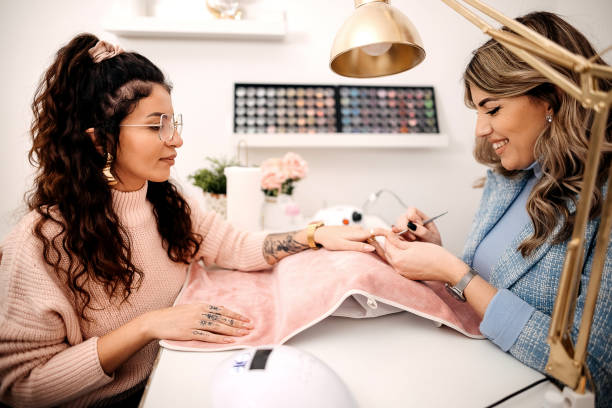
Young Woman Getting Her Nails Done At A Beauty Salon Young woman getting her nails done by a female nail technician at the beauty salon. nail salon stock pictures, royalty-free photos & images

1. Consider Location and Accessibility

  • Opt for a salon that is conveniently located near your home or workplace to save time and effort.
  • Check parking availability or access to public transportation if applicable.

2. Evaluate Cleanliness and Hygiene Standards

Cleanliness should be one of your top priorities when selecting a nail salon:
– Look for visible cleanliness in the workstations, tools, and general environment.
– Observe whether technicians follow proper sanitation practices such as using sterilized tools or wearing gloves during procedures.

3. Look at Reviews and Recommendations

Online reviews, word-of-mouth referrals, and social media can provide valuable insights:
– Search for customer reviews on platforms like Yelp or Google to gauge overall satisfaction.

– Ask friends, family, or colleagues about their personal experiences with local salons.

4. Assess Quality of Products Used

The type of products used in a nail salon matters because it impacts both the quality of service and your health:
– Ask about brands used for nail polishes, gels, acrylics, or other treatments.

– Inquire whether they stock non-toxic or hypoallergenic products if you have sensitivities.

5. Evaluate Pricing Transparency

Before booking an appointment, look into pricing structures to avoid unexpected costs:

– Check if the salon provides an itemized price list covering all services like manicures, pedicures, nail art add-ons, etc.

– Confirm whether consultations are included in treatment costs.

Service Type Approximate Price Range
Basic Manicure $20 – $40
Gel Polish $30 – $50
Nail Art (per hand) $10 – $30

6. Verify Technician Experience

A skilled technician ensures better results:
– Look into certifications and training credentials displayed at the salon.

– Ask how long technicians have been working in the industry to gauge their expertise.

7. Explore Their Service Offerings

Select a salon that caters to your specific preferences:

– Do they offer trendy nail art services if that’s what you’re looking for?

– Are there additional spa-like services like massages or paraffin wax treatments included?

Choosing the perfect nail salon is about finding a balance between professional service, hygiene standards, affordability, convenience, and personalized care tailored to your preferences. Investing time upfront in researching your options will lead to more satisfying visits over time.

Tips for Finding a Clean and Hygienic Nail Salon Richardson TX

When visiting a nail salon, ensuring that the environment is clean and hygienic is crucial for your safety and health. Unsanitary practices can lead to infections, allergies, or even long-term health concerns. Here are some key factors to help you identify whether a nail salon maintains proper cleanliness standards.

Inspect the Salon’s Overall Cleanliness

A clean and well-maintained salon should have:
Tidy workstations: Nail technicians’ tables should be free from dust, debris, or leftover products from previous clients.
Clean floors: The salon floor should be swept regularly and free from litter.
Empty trash bins: Overfilled waste bins may indicate neglect in maintaining cleanliness.
Well-maintained restrooms: If a restroom is available for customers, it should be spotless as it reflects the overall hygiene of the establishment.

Observe Employee Practices

The behavior and habits of nail technicians can provide insight into how seriously the salon takes hygiene.

Look for these indicators of good practice:
– Technicians washing their hands or sanitizing them before attending to each client.
– Wearing gloves when performing treatments, especially during pedicures or cuticle removal.
– Using face masks while handling chemicals like acrylics or gel polishes to minimize exposure for both themselves and clients.

Tools and Equipment Sanitization

Proper sanitization of tools is non-negotiable in a professional nail salon. Pay close attention to how tools are handled between clients:

1. Single-use tools: Items such as wooden cuticle sticks, buffers, or files should never be reused across different clients.

2. Metal instruments: Reusable tools like clippers or cuticle pushers must be sterilized using an autoclave (a device that uses high heat and pressure) after each use.

3. UV sanitizers vs Autoclaves: While UV light boxes are sometimes used by salons, they are not as effective as autoclaves in eliminating bacteria and viruses.

4. Pedicure tubs: For foot soaks, tubs should either have disposable liners replaced after every customer or be thoroughly cleaned with disinfectants.

Tools/Equipment Sanitization Requirement
Metal clippers/pushers Sterilized in an autoclave
Pedicure tubs Disposable liners/Disinfected
Nail files/buffers Single-use only

Assess Product Use

Reputable salons use high-quality products that are stored properly to avoid contamination:

– Check if products like lotions, creams, or scrubs are dispensed using pumps rather than dipping fingers into containers.

– Polishes should not appear separated or expired; this indicates poor quality control.

– Confirm that waxes (if applicable) are not reused between clients.

Red Flags

Be cautious if you observe any of the following during your visit:

1. Dirty tools being reused without cleaning.

2. Technicians rushing through services without changing gloves or cleaning their station.

3. A strong chemical odor that could signal poor ventilation—this may lead to health risks for prolonged exposure.

4. Lack of visible licenses indicating legal operation.

By focusing on these factors during your visit to a nail salon, you can ensure that you’re choosing an establishment committed to providing safe and hygienic services for its customers’ well-being.

Tips for Choosing a Clean and Hygienic Aesthetic Clinic Richardson

When choosing a nail salon, cleanliness and hygiene should be top priorities. A clean environment not only ensures a pleasant experience but also protects your health by minimizing the risk of infections. Here’s a comprehensive guide to help you identify whether a nail salon meets the necessary cleanliness standards.

Key Indicators of a Hygienic Nail Salon

  • Clean Workstations: Look for tidy and clutter-free workstations. Tools, bottles, and products should be organized, and surfaces should be wiped down between clients.
  • Proper Sterilization of Tools: Metal tools such as clippers, cuticle pushers, and scissors must be sterilized after each use. They should either come directly from a sealed sterilization pouch or an autoclave machine.
  • Disposable Tools: Items like emery boards, buffers, and pedicure liners should not be reused between clients. These tools are meant for single use to prevent cross-contamination.
  • Hand Hygiene Practices: Technicians should wash their hands before starting any service or use hand sanitizer in your presence. Clients are usually encouraged to do the same.

Things You Should Look For Upon Entering

Observation What It Indicates
Smell in the Salon A chemical odor may indicate poor ventilation or improper product handling.
Floor Cleanliness Floors free from dust, debris, or spills suggest regular cleaning practices.
Use of Gloves/Masks by Staff Protective gear indicates awareness of hygiene protocols and customer safety.

Questions You Can Ask

  • “How do you sterilize reusable tools?”
  • “Are pedicure basins lined with disposable liners?”
  • “How frequently is equipment cleaned?”

Most professional salons will welcome your inquiries and provide transparent answers.

Red Flags That Indicate Poor Hygiene

  1. Dirty towels or reused towels without proper cleaning.
  2. Unlabeled or expired bottles of nail polish or solutions.
  3. Technicians skipping disinfection steps between clients.
  4. Dust accumulation on shelves or around workstations.

Importance of Proper Ventilation

Good ventilation is another indicator of professionalism in nail salons. Strong odors from chemicals like acrylics can cause discomfort if not managed appropriately with adequate airflow systems.

Why Cleanliness Matters

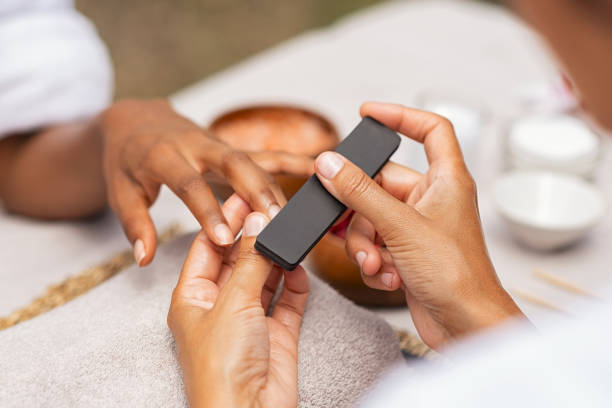
Woman using a buffer to file nail Close up of african hands of a qualified manicurist filing the nails of a young woman. Hands during manicure care session. Detail of a girl in a nail salon receiving manicure. nail salon stock pictures, royalty-free photos & images

A hygienic environment reduces risks such as fungal infections, bacterial contamination (e.g., staph), or viral infections like warts (caused by HPV). It also reflects the professionalism and care that technicians have for their clients’ well-being.

When selecting a salon for regular visits, remember that investing time in assessing cleanliness will pay off by ensuring both safety and peace of mind during your services.

Discover the Top Services Offered at a Cosmetic Clinic Richardson

Nail art and design have evolved into a significant aspect of self-expression, blending creativity and personal style. Nail salons today offer a wide array of trendy options that cater to diverse preferences, from minimalist elegance to bold, artistic statements. Here’s an overview of the latest trends in nail art and design you can explore during your next salon visit.

Popular Nail Art Trends

  1. Simple lines, dots, or geometric shapes are gaining popularity for their chic yet understated appeal.
  2. Neutral or pastel colors paired with negative space designs create a modern look.
  3. Rhinestones, pearls, and metallic accents add dimension to nails for an eye-catching effect.
  4. These designs are often paired with neutral or bold base colors to highlight the embellishments.
  5. Chrome nails with mirror-like finishes offer a futuristic vibe.
  6. Metallic shades like gold, silver, and rose gold are versatile options for both casual and formal looks.
  7. Smooth transitions between two or more colors create a soft yet striking appearance.
  8. Ombre designs often incorporate glitter for added flair.
  9. Nail art inspired by holidays, seasons, or events (e.g., snowflakes in winter or florals in spring) allows personalization based on current celebrations.

Techniques Used by Professionals

  • Hand-Painted Art: Skilled technicians use fine brushes to craft intricate designs by hand.
  • Stamping: Pre-designed patterns are transferred onto nails using specialized tools for uniformity.
  • Airbrushing: Creates seamless gradients and delicate effects ideal for ombre looks.
  • Gel Extensions & Acrylics: Provide a durable canvas for elaborate designs while also adding length if desired.

Why Visit a Salon for Trendy Nail Art?

  • Wide selection of high-quality polishes, gels, and embellishments tailored for specific trends.
  • Access to trained artists who stay updated on emerging styles.
  • Sanitation standards that ensure safe application processes without damage to natural nails.
Trend Description Ideal For
Minimalist Designs Simple lines/shapes Everyday wear
3D Embellishments Rhinestones/pearls/metal details Special occasions
Chrome & Metallic Finishes Shiny mirror-like shades Futuristic aesthetics
Gradient/Ombre Nails Blended color transitions Versatile styling

Staying Ahead with Customization Options

Customization remains central to modern nail design trends. Many salons now offer consultations where clients can collaborate with technicians to bring personal ideas to life—ensuring nails become not only stylish but uniquely representative of the individual’s taste.

By exploring these innovative trends during your next salon visit, you can transform your nails into works of art while staying ahead in the world of beauty fashion.

What to Expect During Your First Visit to a Nail Salon

Visiting a nail salon for the first time can be both exciting and a little intimidating, especially if you’re unsure of what to expect. To help ease your nerves and ensure that your experience is enjoyable and rewarding, here’s an overview of what typically takes place during your first visit, along with tips to prepare.

Booking Your Appointment

  • Manicure
  • Pedicure
  • Nail extensions (e.g., acrylics or gels)
  • Nail art or special designs

This ensures that the salon can allocate adequate time for your session.

Arriving at the Salon

When you arrive at the salon, you’ll typically check in with the receptionist or technician. Be prepared to confirm your scheduled service(s) and communicate any preferences or concerns. Arrive a few minutes early so you have time to settle in without feeling rushed.

Consultation with the Technician

  • The shape and length you’d like for your nails (square, almond, oval, etc.)
  • Preferred nail polish colors or finishes (matte versus glossy)
  • Any specific designs or patterns if opting for nail art

If you have allergies or sensitivities—for example, reactions to certain chemicals—be sure to mention these during this discussion.

The Process: Step-by-Step

  1. Hand/Foot Soaking: For manicures and pedicures, soaking helps soften skin and nails for easier care.
  2. Nail Cleaning: The technician will clean under the nails and remove any old polish.
  3. Cuticle Care: Cuticles are gently pushed back or trimmed as needed.
  4. Trimming/Shaping: Nails are clipped and filed into your desired shape.
  5. Buffing: A buffer may be used for smoothness before applying polish.
  6. Polishing/Designing: Choose from regular polish, gel polish, or nail art based on your preference.

The entire process is generally relaxing—some salons even offer massage chairs during pedicure treatments.

Tips for a Comfortable Experience

  • Wear open-toed shoes if receiving a pedicure; this prevents smudging fresh polish.
  • Bring inspiration photos if there’s a specific design you’re envisioning.
  • Avoid shaving legs right before a pedicure since freshly shaved skin may be more prone to irritation from scrubs or lotions.

Aftercare Recommendations

Service Aftercare Tips
Manicure Avoid using nails as tools; apply hand lotion daily
Pedicure Use pumice stones weekly; moisturize feet regularly
Gel/Acrylic Nails Schedule fills every 2–3 weeks; avoid harsh chemicals

Your technician may also recommend specific products like cuticle oils or strengthening treatments tailored to maintaining healthy nails between appointments.

A visit to the nail salon should leave you feeling pampered while giving your hands and feet a refreshed appearance. With proper preparation and communication with your technician, even first-time clients can enjoy flawless results tailored specifically to their needs.

Expert Advice on Selecting High-Quality Nail Care Products at Salons

Choosing high-quality nail care products is an essential part of maintaining healthy nails and ensuring a positive salon experience. Whether you are a salon owner, technician, or client, understanding the attributes of high-quality products can make all the difference. Here’s expert guidance on selecting the best nail care products available.

Key Attributes of High-Quality Nail Care Products

  • Ingredients: Opt for products that are free from harmful chemicals such as formaldehyde, toluene, and dibutyl phthalate (DBP). These toxins can damage your nails and pose health risks over time.
  • Durability: Look for polishes and treatments that offer long-lasting results without chipping or peeling.
  • Application Ease: High-quality nail polishes should have smooth application and even coverage without streaking.
  • Moisturizing Properties: Select cuticle oils, creams, or treatments enriched with nourishing ingredients like vitamin E, jojoba oil, or almond oil to promote hydration and prevent dryness.
  • Brand Reputation: Well-established brands often invest in research and development to produce safe and effective formulas.

Must-Have Nail Care Products at Salons

Product Category Purpose Examples
Base Coat Protects nails from staining; improves polish adhesion Strengthening base coats or ridge fillers
Top Coat Provides shine; seals color; prevents chipping Gel top coats or quick-dry formulas
Cuticle Oil Hydrates cuticles; promotes healthy nail growth Vitamin E or argan oil-based cuticle treatments
Nail Polish Remover Removes polish efficiently without drying nails Acetone-free removers with conditioning ingredients
Hand Cream Keeps hands moisturized after services Shea butter-based creams

Tips for Selecting Nail Products at Your Salon Visit

  1. Ask Questions: Don’t hesitate to inquire about the brands and products being used. Well-trained technicians will be happy to explain their choices.
  2. Check Packaging: Ensure that hygiene standards are upheld by checking if tools like polish bottles are clean and well-maintained.
  3. Observe Application Techniques: Skilled technicians using high-quality products will avoid overloading brushes with polish and will apply them smoothly in thin layers.

Red Flags to Watch Out For

  1. Strong chemical odors from polishes or removers.
  2. Discolored, separated, or thickened polish formulations.
  3. A lack of clear labeling on product containers regarding ingredients.

By paying attention to these factors, you can make informed decisions about nail care products that prioritize both beauty and health.

Why Quality Matters

Using subpar nail care products can lead to several issues such as brittle nails, allergic reactions, or fungal infections. On the other hand, investing in premium-quality items ensures better overall results while protecting natural nails from damage. Salons that prioritize top-tier merchandise not only enhance client satisfaction but also contribute positively to long-term nail health.

Make your next salon visit more fulfilling by focusing on product quality—it’s worth it both for aesthetics and safety alike.

The Importance of Proper Sanitation Practices in Modern Nail Salons

Sanitation practices in nail salons are essential for ensuring the safety and well-being of both clients and staff. Proper hygiene not only prevents the spread of infections and diseases but also fosters trust and confidence among those seeking nail care services. Below, we explore why sanitation is critical, what to look for in a salon’s hygiene practices, and how these practices contribute to an overall safe environment.

Why Sanitation Practices Are Crucial in Nail Salons

  • Fungal infections: Improperly sanitized tools can lead to fungal infections on nails or skin.
  • Bacterial contamination: Unsanitary conditions may expose clients to bacteria such as Staphylococcus aureus.
  • Viral transmissions: Viruses like hepatitis or warts can spread through contaminated equipment or surfaces.

By adhering to strict hygiene protocols, nail salons can mitigate these risks while maintaining a professional reputation.

Key Sanitation Measures Every Nail Salon Should Follow

  1. Use autoclaves to sterilize metal instruments between each client.
  2. Disposable tools like nail files or buffers should never be reused.
  3. Wipe down surfaces with hospital-grade disinfectants after each use.
  4. Place clean towels or mats on workstations prior to starting services.
  5. Ensure that foot baths are thoroughly cleaned and disinfected between clients.
  6. Use disposable liners for added protection.
  7. Staff should wash their hands thoroughly before and after working with each client.
  8. Provide hand sanitizer for both staff and clients at the entrance.
  9. Technicians should wear gloves when performing procedures that involve skin contact.
  10. Face masks may be used during treatments involving dust or fumes.
Sanitation Measure Frequency Required Tools/Products Used
Autoclave tool sterilization After every client Autoclave machine
Surface disinfection After every use Hospital-grade disinfectant
Footbath cleaning After every client Antibacterial cleanser/disposable liners
Hand washing Before/after each service Soap/water or alcohol-based sanitizer

How Proper Sanitation Benefits Clients

  • Reduces the chance of skin irritations or allergic reactions caused by improperly cleaned tools.
  • Creates an inviting atmosphere where cleanliness reflects professionalism.
  • Builds trust between clients and technicians by ensuring safety is a top priority.

The Role of Licensing Boards in Promoting Hygiene Standards

  • Proper sterilization techniques
  • Cleanliness of facilities
  • Safe storage of tools and chemicals

Failure to adhere to these standards often results in penalties, fines, or even license revocation, emphasizing how vital it is for salon owners to maintain proper sanitation protocols at all times.

Maintaining excellent hygiene goes beyond compliance—it’s about creating an environment where artistry meets responsibility while safeguarding everyone involved in the process. Cleanliness not only elevates customer satisfaction but also ensures long-term success for any modern nail salon business that values its clientele’s trust above all else.


Exploring the Growing Popularity of Nail Salon Richardson TX and Their Services

Manicure Beautician does nail correction for her regular customer nail salon stock pictures, royalty-free photos & images

The nail salon industry has experienced remarkable growth in recent years, transitioning from a small-scale beauty service to a global phenomenon. As self-care and wellness become increasingly prioritized, more individuals are turning to nail salons not just for aesthetic purposes but also as part of their overall grooming routine. Below, we explore the factors driving this surge in popularity and the diverse services nail salons now offer.

Why Nail Salons Are Gaining Traction

  • Increased Focus on Self-Care: Many people view regular manicures and pedicures as an essential part of maintaining their personal well-being.
  • Social Media Influence: Platforms like Instagram and Pinterest have showcased creative nail art trends, encouraging individuals to experiment with unique designs.
  • Affordability: While luxury treatments exist, many salons offer affordable services that cater to a broad audience.
  • Convenience: Nail salons are widely available in both urban centers and suburban areas, making it easier for clients to access their services.

The Range of Services Offered

Service Description
Basic Manicure Includes trimming, shaping nails, cuticle care, hand massage, and polish application.
Basic Pedicure Similar to a manicure but focuses on foot care with exfoliation and soothing foot soaks.
Gel Manicures A longer-lasting manicure using gel polish cured under UV or LED lights.
Acrylic Nails Artificial nails created using liquid monomer and powder polymer for added length and design flexibility.
Nail Art Creative designs such as decals, gemstones, hand-drawn patterns, or chrome finishes applied over polished nails.
Spa Treatments Luxurious add-ons like paraffin wax dips or hot stone massages designed for relaxation.

Benefits of Visiting Nail Salons

Nail salon visits go beyond aesthetics—they provide an opportunity for physical care as well as mental relaxation.

  1. Hygiene Maintenance
    Regular appointments help maintain clean hands and feet while preventing issues such as ingrown nails or foot fungal infections.
  2. Stress Relief
    Many clients report feeling relaxed after receiving professional hand or foot massages during their treatments.
  3. Boosting Confidence
    Freshly done nails can enhance one’s confidence by complementing personal style or completing a polished look.
  4. Trend Exploration
    Nail salons allow customers to try new colors, patterns, shapes, or finishes without committing long-term as they would with permanent beauty enhancements.

The Role of Skilled Professionals

The resurgence in demand for high-quality nail care has also shone a spotlight on skilled technicians who ensure a safe experience while delivering stunning results. Proper training in sanitation practices coupled with expertise in techniques like gel application ensures clients feel confident about the cleanliness and quality offered by reputable establishments.

As the industry continues evolving alongside fashion trends and technological advancements (such as vegan polishes or custom 3D printing options), it is evident that nail salons will remain integral within the beauty sector for years to come.

Emerging Trends Transforming the Medical Spa Richardson TX Industry

The nail salon industry has undergone a significant transformation over the years, driven by changing consumer preferences, advancements in technology, and a heightened focus on sustainability. Understanding the key trends shaping this dynamic sector is essential for both salon owners and customers alike. Below are some of the most prominent trends shaping the future of nail salons.

Eco-Friendly Practices at Aesthetic Clinic Richardson

Consumers are increasingly seeking salons that prioritize environmental sustainability. This trend has led to:
– The use of non-toxic, vegan, and cruelty-free nail products. Many brands now produce polishes free from harmful chemicals like formaldehyde or toluene.
– An increase in sustainable packaging, minimizing plastic waste by using recyclable or biodegradable materials.
– Implementation of green practices such as energy-efficient lighting, water-saving pedicure stations, and eco-friendly cleaning solutions.

Technology Advancements Transforming Cosmetic Clinic Richardson

Technology continues to play a pivotal role in enhancing both customer experience and operational efficiency in nail salons:
Online Booking Systems: Many salons now offer seamless online booking services that allow clients to schedule appointments at their convenience without needing to call directly.
Digital Payment Options: Contactless payment systems have become standard, providing customers with safer and faster transactions.
Virtual Nail Design Tools: Some salons are adopting augmented reality (AR) apps that let clients preview different colors and designs on their nails before committing to them.

3. Demand for Personalized Services

Modern customers value personalization more than ever before. Nail salons are responding by offering tailored services such as:
– Custom nail art designed according to client preferences or seasonal trends.
– Bespoke consultations where technicians recommend products and techniques suited for specific nail types or skin tones.

– Membership packages with exclusive perks like discounted treatments or loyalty rewards.

4. Focus on Health-Conscious Solutions

Health-conscious consumers now look beyond aesthetic appeal when choosing nail services; they also want procedures that prioritize their well-being:
| Trend | Description | Example Services | |———————-|————————————————————|—————————————–| | Waterless Manicures | Eliminates soaking hands/feet in water to reduce bacteria spread | Dry manicures; oil-based cuticle care | | Breathable Nail Polishes | Allows oxygen and moisture to pass through polish layers | Popular among individuals with thin nails | | Medical Pedicures | Combines traditional pedicure techniques with podiatric care | Addresses issues like ingrown toenails |

5. Expansion into Wellness-Inspired Services

Nail salons are expanding their offerings beyond traditional manicures and pedicures by incorporating wellness elements into treatments:
Hand & Foot Massages integrated into services for relaxation and stress relief.

– Use of aromatherapy products such as oils infused with lavender, eucalyptus, or citrus during sessions.

– Detoxifying treatments like herbal foot soaks or scrubs made from natural ingredients.

6. Popularity of Mobile & Pop-Up Nail Services

Busy lifestyles have led many clients to prefer convenient options that fit into their schedules effortlessly:

– Mobile nail technicians who visit homes or offices provide flexible alternatives for those unable to visit a physical salon.

– Temporary pop-up salons at events such as weddings, corporate gatherings, or festivals cater specifically to groups looking for quick yet high-quality services.

Final Thoughts

The evolving landscape of the nail salon industry reflects changing consumer values around sustainability, personalization, technology integration, and wellness focus. Salons that adapt quickly while prioritizing customer satisfaction will continue thriving in this competitive space.

Top Nail Salon Treatments and Techniques Customers Love

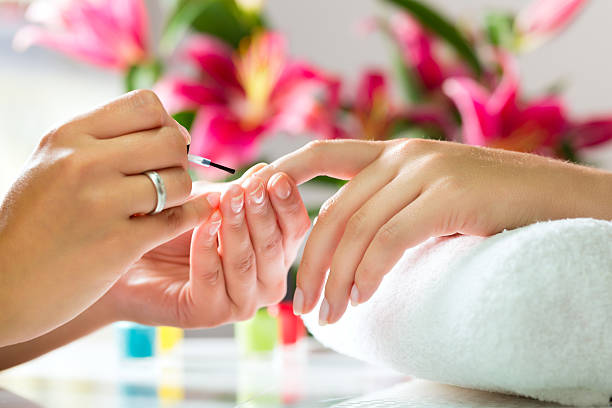
Cheerful beautician smiling while applying a base coat to a client's fingernail for a professional manicure The happy nail technician is seen grinning as she carefully applies a base coat to a client's nails during a manicure session nail salon stock pictures, royalty-free photos & images

Nail salons today offer a wide variety of treatments and techniques to cater to every customer’s needs and preferences. From classic services to intricate designs, these offerings continue to evolve, combining beauty with self-care. Below is an overview of the most popular nail salon treatments that have captured the attention of clients across the globe.

Manicures: The Timeless Essential

Manicures remain one of the most sought-after services in nail salons. They not only enhance the appearance of nails but also promote nail health. Here are some variations loved by customers:
Classic Manicure: A clean-up of nails involving trimming, shaping, and buffing with a simple polish application.
French Manicure: A chic style featuring a nude or pink base with white tips, offering a timeless look.
Gel Manicure: Known for its durability, gel polish is cured under UV light for a chip-resistant finish that lasts weeks.
Paraffin Wax Treatment: A hydrating add-on often combined with manicures for softening dry hands.

Pedicures: Pampering Beyond Aesthetic

Pedicures provide relaxation while ensuring proper foot care. Popular types include:
Standard Pedicure: Cleansing, exfoliating, trimming nails, and applying polish.
Spa Pedicure: Combines traditional pedicure steps with extras like foot masks and massage for ultimate relaxation.
Medical Pedicure (Medi-Pedi): Focused on addressing foot issues such as calluses or nail health concerns while maintaining aesthetic results.

Nail Extensions and Enhancements

For those looking to add length or strength to their nails, extensions are a go-to option. Popular choices include:
Acrylic Nails: Created by combining liquid monomer and powder polymer; they offer strength and customization options in length and shape.
Gel Extensions: A flexible alternative that feels more natural than acrylics while providing similar durability.
Dip Powder Nails: Powder is applied layer by layer onto adhesive-coated nails for a long-lasting finish without needing UV light curing.

Technique Durability Maintenance Frequency Key Benefit
Acrylic Nails 2–3 weeks Fills every 2–3 weeks Strong & customizable
Gel Extensions 3–4 weeks Fills every 3–4 weeks Lightweight & natural feel
Dip Powder Up to 4 weeks Occasional touch-ups Long-lasting & no UV light

Nail Art Designs

Nail art has become an integral part of nail salon offerings, allowing customers to express their individuality through creative designs like:

– Hand-painted intricate patterns (florals, abstracts).

– Glitter accents for added sparkle.

– Foil overlays or metallic effects.

– Seasonal themes (holiday-inspired art).

Gel-X vs Polygel Applications

Modern techniques like Gel-X extensions (a soft gel overlay) or Polygel applications offer alternatives tailored to specific customer needs:

1. Gel-X Extensions: Pre-shaped tips made entirely from gel; ideal for clients seeking lightweight styles.

2. Polygel: Combines qualities of acrylics but avoids harsh odors during application.

Natural Nail Care Services

As more people prioritize healthier choices, natural manicures focusing on hydration treatments are increasingly requested:

1. Restorative keratin treatments targeting weak/brittle nails.

2. Buff-and-shine options avoiding traditional polishes yet offering glossy finishes.

The variety in services ensures there’s something available whether functional maintenance is needed or clients want ornate enhancements tailored uniquely toward personal style preferences within evolving trends today

How Nail Salons Are Innovating to Enhance Client Experience

The nail salon industry is evolving rapidly, with businesses adopting innovative practices and technologies to elevate the client experience. These innovations not only help retain loyal customers but also attract new ones by offering a personalized, efficient, and luxurious environment. Below are some of the most notable ways nail salons are transforming their services to meet modern demands.

Personalized Services Through Technology

  • Online booking platforms: Customers can schedule appointments at their convenience without waiting on lengthy phone calls.
  • Client preference databases: Salons use software that stores information about client preferences, such as favorite nail colors, styles, or any allergies.
  • Virtual try-on tools: Apps allow clients to visualize how specific nail colors or designs will look on their nails, making the decision process easier.

These advancements foster efficiency and ensure customer satisfaction by tailoring services to individual needs.

Eco-Friendly and Non-Toxic Products

  • Offering non-toxic and vegan-friendly polishes that reduce exposure to harmful chemicals like formaldehyde or parabens.
  • Using recyclable packaging for products whenever possible.
  • Providing eco-friendly manicures, which emphasize waterless techniques to conserve resources.

By integrating these choices into their services, salons appeal to environmentally conscious clients while maintaining industry standards for quality.

Luxurious Amenities for an Enhanced Experience

  • Complimentary beverages such as herbal teas or sparkling water during treatment.
  • Comfortable seating with built-in massagers for ultimate relaxation.
  • Aromatherapy in treatment areas to create a calming ambiance.

Some high-end establishments even provide private rooms for VIP clients who prefer privacy or need specialized attention.

Advanced Nail Art Techniques

  • 3D nail art using sculpting gels or acrylics.
  • Chrome finishes that give nails a metallic sheen.
  • Hand-painted artwork inspired by current fashion trends.

Additionally, state-of-the-art tools like precision airbrush machines enable technicians to produce flawless results efficiently.

Focus on Hygiene and Safety

Practice Benefits
Single-use tools (files/buffers) Eliminates cross-contamination risks
Medical-grade sterilizers Ensures all equipment is sanitized
Barrier methods (plastic liners) Protects against bacteria/fungi

These measures reassure clients of their safety while enjoying treatments at the salon.

Community Engagement Initiatives

  • Hosting workshops on DIY nail care at home.
  • Partnering with local charities through donations or free treatments for underserved populations.

Such initiatives demonstrate social responsibility while fostering goodwill among existing customers.

By blending technology, eco-consciousness, luxury amenities, artistic expertise, hygiene measures, and community involvement into operations, nail salons continue redefining what it means to deliver exceptional service experiences tailored for today’s discerning clientele. The industry’s commitment to innovation ensures it remains relevant in an ever-changing landscape of consumer expectations.

Essential Tips for Choosing the Perfect Nail Salon for Your Needs

Selecting the right nail salon is vital for ensuring high-quality services, hygiene, and a personalized experience. With countless options available, it can be challenging to determine which salon suits your needs best. Below are several essential tips to guide your decision-making process.

1. Prioritize Hygiene and Cleanliness

Hygiene is one of the most critical factors when choosing a nail salon. Poor cleanliness standards can lead to infections or other health concerns.
– Look for salons where tools are sterilized after each client using autoclaves or disposable kits.

– Check whether technicians wash their hands or use hand sanitizer before starting treatments.

– Ensure that workstations, chairs, and foot baths are cleaned regularly between clients.

2. Assess Licenses and Certifications

A reputable nail salon must comply with local regulations and licensing requirements.
– Verify that the salon holds valid business licenses.

– Confirm that technicians are licensed professionals trained in nail care.

– Look for additional certifications indicating expertise in advanced techniques or new technologies.

3. Evaluate Product Quality

The quality of products used during treatments has a direct impact on results and sustainability.
– Ask if the salon uses high-quality polishes, gels, and nail enhancements from reputable brands.

– Avoid salons using harsh chemicals or unverified products that may damage your nails.

– For eco-conscious clients, inquire about salons offering organic or non-toxic product options.

4. Observe Customer Service Standards

Exceptional customer service contributes to an enjoyable experience at any nail salon.

Look for:
– Friendly staff who listen to your preferences and provide clear communication.

– Technicians who take their time to ensure precision instead of rushing through appointments.

– A welcoming environment where clients feel respected and valued.

5. Research Reviews and Recommendations

Online reviews and word-of-mouth recommendations can provide valuable insights into a salon’s reputation:
– Browse online platforms like Google Reviews or Yelp for honest customer feedback.

– Seek recommendations from friends, family members, or colleagues who frequent nail salons.

– Pay attention to recurring themes in reviews related to cleanliness, staff professionalism, or service quality.

Factors Questions To Ask Yourself Red Flags To Watch For
Hygiene Are tools sterilized? Is the space clean? Reused tools without sterilization
Products Are high-quality brands being used? Cheap polishes with strong chemical odors
Staff Are technicians licensed? Are they attentive to client needs? Rushed interactions; lack of credentials
Reviews Do reviews highlight great experiences at this salon? Consistent complaints from past clients

6. Consider Pricing vs Quality

While budget is important, overly low prices could indicate compromises in product quality or technician training:
– Compare pricing among various salons in your area to get an idea of standard rates.

– Be cautious about unusually cheap services—they may come with hidden risks like poor workmanship or unsanitary conditions.

7. Try Before Committing Long-Term

If you’re uncertain about committing to a particular salon long-term:
1. Book a basic service such as a manicure before opting for more complex treatments like acrylics or gel extensions.

2. Use this opportunity to observe the ambiance, staff expertise, and hygiene practices firsthand.

By applying these tips when evaluating potential options, you can confidently select a nail salon that aligns with your expectations while prioritizing safety and satisfaction during every visit.

The Evolution of Nail Salons: From Basic Manicures to Luxurious Experiences

The nail salon industry has undergone a significant transformation over the years. What was once a straightforward service-oriented business providing simple manicures and pedicures has now evolved into a sophisticated space offering luxurious and multi-sensory experiences. This shift reflects changing consumer preferences, advancements in nail care technologies, and increasing attention to self-care as part of modern lifestyle trends.

Early Days: Basic Services for Essential Grooming

In the early days, nail salons primarily focused on essential grooming services. These included:
Basic manicures and pedicures: Cleaning, shaping, and polishing nails.
Cuticle care: Trimming and moisturizing cuticles for healthier nails.
Simple polish application: Clients had limited options in terms of colors or finishes.

The emphasis was primarily on functionality rather than aesthetics or indulgence. Salons were modest spaces where efficiency outweighed luxury.

Modern-Day Nail Salons: A Haven for Self-Care

Fast forward to today, nail salons are no longer just about grooming—they are destinations for relaxation, self-expression, and even wellness. The services offered have diversified significantly to cater to a broader clientele with sophisticated tastes.

  1. Gel manicures for long-lasting wear.
  2. Dip powder systems offering durability without UV exposure.
  3. Nail extensions using acrylics or gels for artistic expression.
  4. Hand massages with aromatherapy oils.
  5. Paraffin wax treatments that soften skin and provide hydration.
  6. Hot stone foot massages during pedicures.
  7. Custom nail art featuring intricate designs or seasonal themes.
  8. Matte finishes, chrome effects, or glitter accents as part of polish offerings.
  9. Personalization based on individual preferences using branded polishes from high-end labels.
  10. Focus On Wellness: Many salons now incorporate wellness elements such as non-toxic products free from harmful chemicals like formaldehyde or DBP (Dibutyl Phthalate). This shift caters to health-conscious clients seeking safer alternatives.

High-End Experiences Redefining the Industry

Feature Description
Spa-like ambiance Serene settings with dim lighting & soft music
Complimentary refreshments Herbal teas or champagne served during treatments
Private treatment rooms Exclusivity for top-tier clients ensuring privacy
Premium products Use of high-end brands such as Chanel & Dior

Clients frequent these establishments not only for their services but also for the overall experience that fosters relaxation and indulgence.

Looking Ahead: Where Are Nail Salons Headed?

The evolution hasn’t stopped here—technology continues to play an essential role in pushing boundaries within the industry:
Digital booking systems ensure convenience and reduce waiting times.

– Advanced tools like electric files make procedures quicker yet precise.

– Virtual reality (VR) consultations enable customers to preview potential designs before application.

Additionally, eco-consciousness is increasingly influencing salon operations as they adopt sustainable practices including biodegradable tools or energy-efficient equipment.

As customer expectations continue to rise alongside innovations in beauty technology, the future holds limitless possibilities for nail salons seeking not just to meet but exceed client desires while delivering memorable experiences at every visit.


How Often Should You Visit a Nail Salon Richardson TX for Healthy and Beautiful Nails

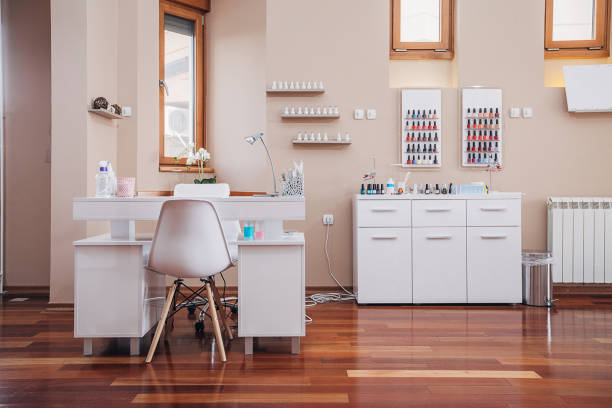
Modern nail spa interior Inside of modern beauty spa, no people. nail salon stock pictures, royalty-free photos & images

Maintaining healthy, well-groomed nails can boost your confidence and contribute to overall self-care. However, determining how often you should visit a nail salon depends on a variety of factors, including your personal preferences, lifestyle, and nail health needs. Striking the right balance is essential to ensure that your nails remain strong, healthy, and visually appealing.

General Guidelines for Nail Care Frequency

  • Manicures: Every 1–2 weeks
    Regular manicures help keep your fingernails polished, shaped, and free from chips or irregularities. This interval is suitable for individuals who prioritize neat nails or regularly wear nail polish. For those with natural nails who don’t use polish frequently, once every 2–3 weeks may be sufficient.
  • Pedicures: Every 3–4 weeks
    Pedicures generally last longer than manicures because toenails grow more slowly. Regular pedicures not only keep toenails clean and trimmed but also prevent issues such as ingrown nails or cracked heels.

Benefits of Regular Manicures and Pedicures

  • Improved Nail Health: Prevents breakage, splitting, or fungal infections.
  • Aesthetic Appeal: Keeps nails polished and presentable.
  • Relaxation: Provides an opportunity for self-care through massage and pampering.
  • Skin Hydration: Regular treatments help maintain soft skin around the hands and feet.

Customizing Your Routine Based on Nail Type

Nail Type Recommended Frequency Key Considerations
Brittle Nails Every 2 weeks Use strengthening treatments during appointments.
Weak Nails Every 1–2 weeks Avoid harsh chemicals; opt for gentle polishes.
Healthy Nails Every 2–3 weeks Focus on maintenance rather than intensive care.

Other Factors That Impact Frequency

  1. Individuals in professions involving frequent hand use (e.g., healthcare workers) may need biweekly visits due to increased wear.
  2. Those with sedentary jobs may prolong intervals between visits.
  3. Gel or acrylic nails typically require infills every 2–3 weeks.
  4. Natural nail enthusiasts can space out appointments further.

By understanding these considerations and tailoring your routine accordingly, you can maintain both the aesthetic appeal of your nails and their underlying health over time.

How Often Should You Visit an Aesthetic Clinic Richardson for Manicures and Pedicures?

Determining how often you should visit a nail salon for manicures and pedicures largely depends on several personal factors. Each individual’s nail health, lifestyle, and preferences play a crucial role in deciding the ideal frequency. Below, we explore key elements that can help guide your nail care schedule.

1. Nail Growth Rate

The speed at which your nails grow directly impacts how often you might need to schedule a manicure or pedicure. On average, fingernails grow about 3.5 millimeters per month, while toenails grow more slowly at roughly 1.6 millimeters per month. If your nails grow quickly, you may notice regrowth or unevenness sooner, requiring touch-ups every 1-2 weeks for manicures and every 3-4 weeks for pedicures.

Factors that can affect nail growth include:
– Genetics: Some people naturally have faster-growing nails due to genetic predisposition.
– Nutrition: A healthy diet rich in biotin, vitamin E, and omega-3 fatty acids can promote faster nail growth.
– Health conditions: Certain medical conditions (e.g., thyroid disorders) may slow down or alter nail growth patterns.

2. Lifestyle and Daily Activities

Lifestyle Factor Impact on Nails Suggested Frequency
Frequent use of hands (e.g., typing or cooking) Increased wear on polish; higher risk of chipping Weekly to biweekly manicures
Regular exposure to water (e.g., swimming or dishwashing) Weakening of polish; potential softening of nails Weekly touch-ups
Active lifestyle (e.g., sports activities) Toenails prone to damage; calluses may form Biweekly to monthly pedicures

If your job or hobbies expose you to harsh chemicals or require frequent handwashing, you may notice polish fading faster and need more frequent salon visits.

3. Seasonal Changes

  • Summer: Warmer weather usually means open-toed shoes and sandals, making regular pedicures essential for maintaining the appearance of feet. Aim for biweekly visits during this season if you’re frequently wearing sandals.
  • Winter: During colder months, reduced exposure may mean fewer trips to the salon for pedicures unless you’re addressing dryness or cracked heels caused by cold air.
  • Special Occasions: Holiday seasons, weddings, vacations, or other events might call for extra appointments tailored around specific dates.

4. Maintenance Between Visits

  • Apply cuticle oil daily to maintain hydration.
  • Use hand creams regularly if prone to dryness.
  • File any chips immediately rather than peeling off polish.
  • Invest in high-quality base coats and topcoats during at-home touch-ups.

By understanding these influencing factors—nail growth rate, activities, seasonal changes—you can customize a manicure-pedicure routine that keeps your hands and feet looking their best year-round without compromising on health.

How Medical Spa Richardson TX Services Can Influence Your Nail Care Routine

Scheduling visits to the nail salon isn’t a one-size-fits-all decision—it largely depends on individual factors like nail growth rate, daily habits, and the time of year. Understanding these influences can help you determine how frequently you should get manicures or pedicures to maintain healthy and beautiful nails.

Discover Exceptional Nail Growth Solutions at Our Cosmetic Clinic Richardson

Your nails grow at an average rate of 2-3 millimeters per month. However, this rate can vary depending on:
Age: Younger individuals tend to have faster nail growth compared to older adults.
Diet: A nutrient-rich diet containing biotin, zinc, and proteins contributes to healthier and faster-growing nails.
Health Conditions: Conditions like thyroid disorders or medication use may slow down or speed up nail growth.

If your nails grow quickly, you may notice outgrowth near the cuticles sooner, prompting more frequent visits for touch-ups. Slower-growing nails may require fewer trips while still maintaining a polished appearance.

Lifestyle Considerations

  • Profession: If you work with your hands extensively—whether typing all day or engaging in labor-intensive activities—your manicure may chip or wear quickly. This requires more regular upkeep.
  • Hobbies: Activities like gardening or frequent swimming can expose your nails to dirt, water, and chemicals that weaken polish and natural nail strength over time.
  • Personal Style Preferences: Individuals who prefer elaborate designs or longer acrylics may need more frequent maintenance appointments compared to those opting for minimalistic styles.

If you’re someone whose lifestyle demands pristine-looking hands at all times (e.g., client-facing professionals), scheduling weekly appointments might make sense. On the other hand, those with less demanding routines could space visits 2–3 weeks apart without issue.

Woman in a nail salon receiving a manicure Woman in a nail salon receiving a manicure by a beautician nail salon stock pictures, royalty-free photos & images

Seasonal Variations Impacting Nail Care Frequency

Season Impact on Nails Suggested Frequency
Summer Increased exposure to sun, sand, water; potential dryness/cracking Every 1–2 weeks
Winter Cold weather can lead to brittle nails and dry cuticles Every 2–3 weeks
Spring/Fall Transitional weather; moderate impact Every 2–4 weeks

For example: During summer months when sandals are a wardrobe staple, pedicures might become more frequent due to heightened focus on foot aesthetics. Conversely, during winter months when feet are primarily covered by socks/boots, visits might be slightly spaced out unless dryness becomes noticeable.

Tips for Determining Your Ideal Schedule

  1. Monitor your natural nail condition between appointments to gauge durability.
  2. Speak with your nail technician—they are knowledgeable about what works best for different lifestyles and conditions.
  3. Use high-quality aftercare products (like cuticle oils) at home between sessions to extend results.
  4. Pay attention to seasonal changes in moisture levels that affect both skin and nails.

By tailoring your schedule based on personal factors such as growth rate, daily habits, seasonal weather patterns—and listening closely to what works for you—you’ll keep your hands and feet in optimal condition while ensuring every visit is both effective and worthwhile.

What Happens If You Wait Too Long Between Pedicures: Effects on Nail Health

Pedicures are more than a beauty treatment—they play an essential role in maintaining the health and hygiene of your feet and nails. However, extending the time between pedicures can lead to several issues that may affect your nail health, skin condition, and overall foot hygiene. Below is an overview of what can happen if you wait too long between pedicure appointments.

1. Buildup of Dead Skin Cells

  • Calluses can thicken and harden, making them more difficult to remove later.
  • Cracked heels may develop due to excessive dryness and pressure on certain areas.
  • Skin may feel rough or flaky, which could lead to irritation or infection over time.

Regular pedicures often involve exfoliating scrubs and pumice treatments that keep these issues at bay.

2. Overgrown Nails

  • Overgrown toenails, which may become uncomfortable and prone to breaking.
  • Increased risk of ingrown toenails, particularly when shoes apply pressure on misaligned or unmanaged nails.
  • Nails that are harder to trim or shape, potentially leading to uneven edges or splitting.

Proper trimming during a pedicure not only enhances nail appearance but also prevents painful conditions like ingrown nails or infections.

3. Risk of Fungal Infections

  • Prolonged exposure to moisture trapped in shoes.
  • Lack of proper cleaning under the nails.
  • Neglecting cuticle care, which creates an entry point for bacteria.

Keeping up with routine salon visits ensures that nails are cleaned thoroughly, reducing bacteria buildup.

4. Dryness and Lack of Moisturization

Problem Cause Result
Dry patches Reduced moisturizing routines Discomfort and rough texture
Cracked skin Environmental factors like cold air Painful splits in skin
Loss of elasticity Lack of deep hydration treatments Premature aging appearance

Pedicures typically involve moisturizing masks or lotions designed specifically for foot care. Skipping these treatments allows dryness to worsen over time.

5. Diminished Aesthetic Appeal

  • Nail polish begins to chip, causing uneven coloration.
  • Discoloration under the nails from debris buildup becomes visible.
  • Nails lose their natural shine when not buffed regularly during professional treatments.

While aesthetics may not influence everyone’s decision for frequent salon visits, well-maintained feet convey hygiene awareness and attention to detail.

How Often Should You Get Pedicures?

  1. Aim for a professional pedicure every 4–6 weeks depending on your lifestyle:
  2. Those frequently exposed to water (e.g., swimmers) might need more frequent care.
  3. Individuals wearing open-toe footwear often may also require additional visits due to exposure-related dryness.
  4. Regularly exfoliate using foot scrubs at home.
  5. Moisturize daily with thick creams designed for heels and soles.

By adhering to a consistent schedule coupled with home maintenance efforts, you can enjoy healthier feet free from discomfort while improving their overall aesthetic appeal.

What Happens If You Wait Too Long Between Pedicures: Effects on Nail Health

Pedicures are more than just a beauty treatment—they play an essential role in maintaining the health of your feet and nails. While occasional delays between pedicure appointments are often unavoidable, waiting too long can have negative effects on both the appearance and health of your nails and skin. Regular maintenance is key to avoiding common issues that arise from neglecting pedicure sessions.

Common Issues Caused by Long Gaps Between Pedicures

  • Dry Skin Accumulation: Without proper exfoliation and moisturizing, dead skin cells build up on your feet, leading to dryness, cracking, or even painful heel fissures.
  • Ingrown Toenails: Failing to trim nails properly can result in ingrown toenails that cause pain, redness, and even infection if left untreated.
  • Thickened Calluses: Calluses naturally form as a protective barrier against pressure or friction. However, without regular care to reduce their thickness, they can become hard and uncomfortable.
  • Nail Discoloration: Dirt and debris trapped under unkempt toenails may lead to discoloration or staining over time.
  • Fungal Infections: Prolonged moisture exposure (e.g., sweating) combined with irregular cleaning may increase the risk of fungal infections like athlete’s foot or nail fungus.

Why Consistency Matters for Foot Health

  • Prevention of Infections: Cleaning underneath the toenails during a pedicure removes bacteria and prevents fungal growth.
  • Improved Circulation: Massage during pedicures stimulates blood flow in your feet and lower legs.
  • Early Detection of Issues: A professional nail technician may notice signs of potential problems like bunions or corns early on.

Suggested Pedicure Frequency

Frequency Recommended For
Every 2 weeks Those with fast-growing nails or prone to calluses
Every 3–4 weeks Average wear-and-tear; good for most people
Every 6–8 weeks Minimal nail growth; limited exposure to wear

Tips for Maintaining Foot Health Between Appointments

  1. Moisturize Daily: Use a thick cream or lotion designed specifically for foot care to prevent dryness.
  2. Keep Nails Trimmed: Cut toenails straight across using sanitized tools to reduce the risk of ingrown nails.
  3. Exfoliate Weekly: Use a pumice stone or foot scrub once a week to remove dead skin cells and maintain softness.
  4. Wear Proper Footwear: Choose breathable shoes that fit well to minimize friction and moisture buildup.

By staying mindful of these effects and taking proactive measures, you can protect your nails from damage while ensuring they remain strong, healthy, and well-groomed over time.