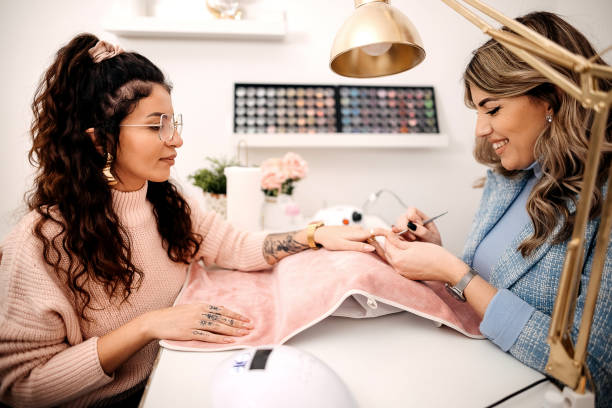
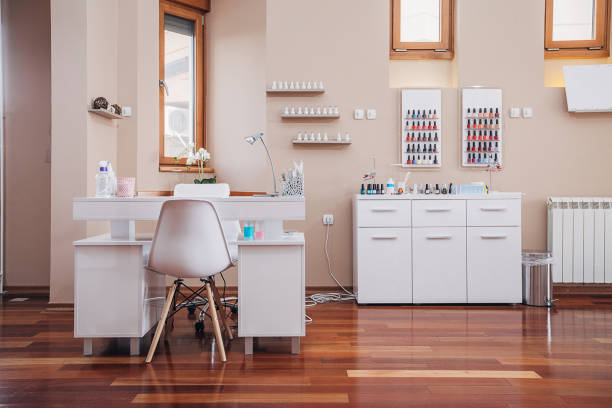
Maintaining impeccable hygiene in the nail industry is essential for building and retaining client trust. When clients walk into a nail salon, they not only seek professional services but also expect a clean, safe, and hygienic environment. Hygiene practices directly influence customer perceptions, satisfaction levels, and overall business reputation.
Why Hygiene is Crucial in the Nail Industry
- Health and Safety Concerns
Nail salons deal with tools that come into direct contact with skin and nails. Without proper hygiene protocols, there is a heightened risk of spreading infections such as fungal infections, warts (caused by HPV), or even more serious bacterial infections. Prioritizing hygiene ensures both clients’ safety and your business’s accountability. - Compliance with Regulations
Local health authorities enforce strict cleanliness standards for nail salons to protect public health. Regular inspections evaluate whether businesses adhere to these requirements. Non-compliance can lead to fines or license suspensions, making hygiene not only an ethical responsibility but a legal one. - Building Client Confidence
Clients are more likely to return to a salon where they feel their health is prioritized. A visibly clean space, sanitized tools, and hygienic practices communicate professionalism and care. - Brand Reputation
Word-of-mouth referrals play a big role in the nail industry’s success. Demonstrating stringent hygiene practices enhances your reputation as a trusted provider of safe services.
Key Elements of Hygiene in Nail Salons
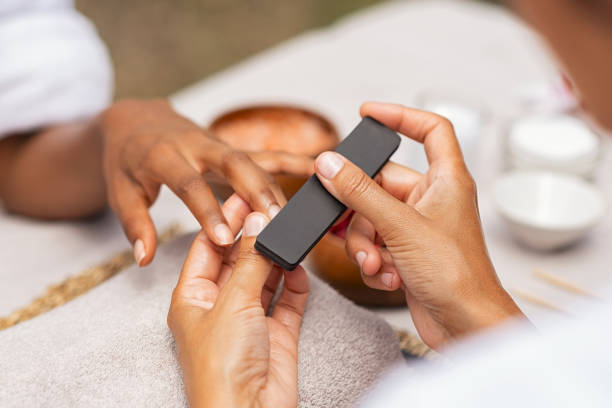
- Single-use items like nail buffers or emery boards should only be used once per client.
- Metal tools like cuticle clippers require disinfection between appointments using hospital-grade solutions.
- Technicians should wash hands thoroughly before every service.
- Clients’ hands should also be cleaned prior to starting the procedure.
- Surfaces must be wiped down after each session using disinfectants approved by regulatory bodies.
- Towels or table covers should be replaced for every customer.
- Floors must be swept regularly throughout the day.
- Mopping with an antibacterial solution at least once daily helps reduce potential contamination.
Common Practices That Shape Client Trust
- Transparent Communication Displaying sanitation protocols prominently within the salon builds confidence in customers about your commitment to their well-being.
- Visible Cleaning Procedures If clients can see technicians sanitizing equipment before use or wiping down surfaces, it reassures them about safety measures being taken seriously.
- Offering Antiseptic Products Providing hand sanitizer or alcohol-based wipes at entry points shows attention to detail regarding germ prevention.
Table: Comparison – Hygienic vs Non-Hygienic Practices
| Practice | Hygienic Approach | Non-Hygienic Approach |
| Tool Usage | Sterilized or single-use tools | Reusing unsanitized equipment |
| Hand Washing | Before every service | Ignoring this step |
| Surface Cleaning | Wiping after each client | Rarely cleaned between appointments |
| Towels/Cloth Items | Fresh for each client | Reusing without washing |
By adhering to these principles and maintaining consistent efforts toward hygiene excellence, nail salons can cultivate lasting relationships with their clientele while safeguarding everyone’s well-being effectively.
Nail Salon Richardson TX: Ensuring High Standards of Hygiene for Customer Safety
Maintaining impeccable hygiene in nail salons is not only a legal requirement but also a cornerstone of customer trust and safety. Poor hygiene practices can lead to severe consequences, such as infections, tarnished reputations, and potential legal actions. By adhering to high standards of cleanliness, nail salons ensure that clients enjoy relaxing and safe experiences while safeguarding their health.
Risks Associated With Poor Hygiene Practices in Nail Salons
- Fungal Infections: These can result from improperly cleaned tools or unsanitized foot baths.
- Bacterial Infections: Dangerous bacteria like Staphylococcus aureus can thrive on unclean surfaces or tools.
- Viral Infections: The use of non-sterilized instruments increases the risk of transmitting viruses like Hepatitis B or C.
- Skin Irritations: Harsh chemicals combined with poor sanitation may cause allergic reactions or surface-level abrasions to worsen.
Key Hygiene Practices for Nail Salons
- Both technicians and clients should wash hands before any service begins.
- Alcohol-based hand sanitizers should be readily available throughout the salon.
- Use an autoclave to sterilize metal tools after each use.
- Disposable items like nail files, buffers, and wooden sticks should not be reused under any circumstances.
- Clean reusable tools with soap and water prior to disinfecting them with EPA-approved solutions.
- Wipe down workstations with disinfectant after each client.
- Use disposable towels or mats at client stations to minimize cross-contamination.
- Drain, clean, and disinfect foot spas after every use with hospital-grade cleaning agents.
- Replace filters regularly according to manufacturer recommendations.
- Dispose of single-use items immediately after use in designated trash receptacles.
- Ensure hazardous waste materials such as sharp implements are discarded responsibly.
Role of Staff Training in Upholding Hygiene Standards
- Understanding infection control measures based on local health regulations.
- Proper handling and storage techniques for disinfectants.
- Steps for effective cleaning routines between appointments.
Table: Recommended Cleaning Frequencies for Common Items in Nail Salons
| Item/Area | Frequency | Cleaning Method |
| Metal Tools | After every use | Wash + Autoclave sterilization |
| Foot Baths | After every use | Drain + Disinfect |
| Workstations | Between clients | Wipe down with EPA-approved solution |
| Towels | After every client | Wash using hot water + detergent |
| Floors | Daily | Sweep + Mop with disinfectant |
By integrating these proven strategies into daily operations, nail salons not only create a safe environment but also earn the loyalty of their clientele through transparent hygienic practices that prioritize well-being over profits.
Understanding Essential Decontamination Levels in Nail Salons at an Aesthetic Clinic Richardson
Maintaining an exceptional level of hygiene in nail salons is critical for ensuring client safety and satisfaction. The process of decontamination involves three primary steps: cleaning, disinfecting, and sterilizing. Each step has its unique purpose and significance in preventing the spread of harmful pathogens, such as bacteria, fungi, and viruses. Below is a detailed exploration of these essential practices.
Cleaning: The First Line of Defense
Cleaning is the initial step in reducing contamination. This process removes visible dirt, dust, debris, and organic material from tools, surfaces, and workstations.
- Use warm water with detergent or soap to wash tools after each use.
- Scrub surfaces with a disposable cloth or brush to remove residues.
- Rinse thoroughly under running water to ensure no soap remains.
- Why It’s Important:
Cleaning reduces the load of organic matter that can interfere with subsequent disinfection or sterilization steps. Without this initial step, more resilient pathogens may remain hidden beneath residues.
Disinfecting: Targeting Pathogens
Disinfection focuses on eliminating most bacteria and viruses present on salon tools and surfaces after cleaning. This step does not necessarily kill all microorganisms but reduces them to levels considered safe for human contact.
- Common Disinfectants Used in Nail Salons:
| Disinfectant | Key Ingredients | Effectiveness | Contact Time | |———————–|——————————–|—————————————-|————–| | Isopropyl Alcohol | 70%-90% alcohol | Kills bacteria & some viruses | ~5 minutes | | Quaternary Ammonium | Ammonium compounds | Broad-spectrum germ-killer | ~10 minutes | | Bleach (Sodium Hypochlorite) | Chlorine-based solutions | Effective against viruses & fungi | ~10 minutes | - Immerse reusable tools (e.g., metal clippers) completely in disinfectant solutions. Ensure they are submerged for the manufacturer-recommended duration.
- Wipe down workstation counters and client chairs daily using EPA-registered disinfectants.
- Replace disposable items like nail files or buffers after every client interaction.
Sterilizing: Ensuring Maximum Protection

Sterilization is the final step aimed at eradicating all forms of microbial life from tools. This standard is mandatory for items that come into direct contact with skin or nails where cuts may occur.
- Autoclave Machines: These utilize high-pressure steam at temperatures over 120°C to destroy microorganisms entirely.
- Pros: Highly effective; widely used within medical-grade environments.
- Cons: Upfront cost may be prohibitive for small-scale salons.
- UV Sterilizers: While often marketed as effective alternatives, these are not considered reliable as standalone methods since they may not eliminate all pathogens on uneven surfaces.
- Cuticle pushers
- Nail nippers
- Tweezers
Sterilized implements must be stored immediately in sealed pouches or sterile containers until their next use.
Combining All Three Steps for Optimal Results
To ensure comprehensive hygiene standards:
1. Begin by cleaning every tool before moving on to disinfection or sterilization processes.
2. Clearly label separate areas in your salon for “used,” “in progress,” and “sterile” tools to avoid cross-contamination. 3
. Conduct frequent training sessions with your staff so they understand proper protocols related to decontamination processes.
By adhering strictly to these practices—cleaning first to remove visible contaminants, followed by disinfection for pathogen reduction—and committing to regular sterilization techniques where required—nail salons can create an environment that prioritizes both client health and professional credibility while delivering excellent service experiences consistently over time.
Effective Infection Control and Prevention Tips at a Cosmetic Clinic in Richardson
Maintaining a clean and hygienic environment in nail salons is not just a matter of aesthetics—it’s critical to the health and safety of both clients and staff. By adopting effective infection control practices, nail salons can minimize the spread of harmful pathogens while fostering trust among their clientele. Below are actionable tips and guidelines that every nail salon should implement to manage infection risks effectively.
Key Practices for Infection Control
- Encourage staff to wash hands thoroughly with soap and water before and after handling each client.
- Provide hand sanitizers with at least 60% alcohol content at workstations for both staff and customers.
- Advise clients to cleanse their hands as well before any service begins.
- Ensure technicians wear disposable gloves when performing services, particularly those involving skin contact or invasive procedures like cuticle trimming.
- Encourage the use of face masks, especially during services that involve filing nails, which might generate dust particles.
- Use single-use tools whenever possible (e.g., emery boards, buffers).
- Wash them with soap and warm water to remove debris.
- Disinfect with an EPA-approved solution or hospital-grade disinfectant.
- Sterilize using an autoclave or UV sterilizer for added safety.
- Wipe down all surfaces (tables, armrests, chairs) between each client using appropriate disinfectants formulated to kill bacteria and viruses.
- Cover tables with disposable mats that can be replaced between clients.
- Ensure proper ventilation in the salon to reduce airborne contaminants.
- Consider using air purifiers equipped with HEPA filters to capture fine particles.
Daily Cleaning Schedule
| Task | Frequency | Recommended Method |
| Sweeping floors | After every client | Use a broom or vacuum; dispose of debris immediately |
| Disinfecting tool stations | Between each client | Spray EPA-registered disinfectant |
| Sanitizing reception area | Every 2-3 hours | Wipe surfaces with disinfectant wipes |
| Deep cleaning restrooms | Once daily | Clean with bleach-based solutions |
Strategies for Preventing Cross-Contamination
- Keep clean tools separate from used/dirty equipment during services.
- Avoid double-dipping applicators into lotions, creams, or gel products.
- Label containers clearly to prevent accidental product swapping.
- Store sanitized tools in closed containers until needed.
Educating Staff and Clients
- Conduct regular training sessions on hygiene best practices for employees.
- Display informational posters about handwashing techniques near sinks or service areas.
- Offer brochures detailing your salon’s hygiene measures so clients feel reassured about your commitment to safety.
By adhering strictly to these germ-aware practices, nail salons can significantly enhance their infection prevention efforts while creating a welcoming environment where clients feel confident receiving services without compromising health standards.
The Versatility of Hypochlorous Acid: From Wound Care to Nail Salon Applications
Hypochlorous acid (HOCl) may not be a household name, but it is increasingly being recognized as an essential compound in various industries, including healthcare, beauty, and personal care. Nail salons, in particular, are benefiting from the versatility of this all-in-one disinfectant. From promoting hygiene to enhancing client safety and trust, hypochlorous acid has become a game-changer for salon professionals.
What is Hypochlorous Acid?
Hypochlorous acid is a naturally occurring substance produced by white blood cells in the human body to fight infections. It is highly effective against bacteria, viruses, and fungi while being non-toxic to humans and animals. This makes it an ideal disinfectant for environments where both efficacy and safety are priorities.
- Broad-spectrum antimicrobial activity: Effective against a wide range of pathogens.
- Non-irritating: Gentle on skin and safe for daily use.
- Eco-friendly: Biodegradable and free from harsh chemicals.
- Odorless: Suitable for indoor use without unpleasant chemical smells.
Applications of Hypochlorous Acid in Nail Salons
- HOCl can be used to sanitize workstations, manicure tools, countertops, chairs, and other frequently touched surfaces.
- It eliminates harmful microbes while being gentle on surfaces like leather or plastic.
- While sterilization equipment like autoclaves is indispensable for reusable tools such as cuticle nippers or nail scissors, hypochlorous acid serves as an excellent adjunct disinfectant between appointments.
- Tools can be wiped down with HOCl-based solutions or soaked briefly before undergoing further sterilization processes.
- Offering HOCl sanitizing sprays or wipes for clients before their appointment adds an extra layer of infection control.
- Unlike alcohol-based products that can dry out the skin with repeated use, HOCl provides effective sanitation without irritation.
- Pedicure foot baths are notorious breeding grounds for bacteria if not cleaned properly after each use.
- Spraying hypochlorous acid into basins ensures thorough disinfection while remaining safe when rinsed away.
Benefits for Clients and Salon Professionals
| Benefit | Explanation |
| Improved Client Trust | Visible sanitation practices reassure clients about their safety during services. |
| Enhanced Safety | Reduces the risk of infections like fungal nails or bacterial skin diseases. |
| Cost Efficiency | A single versatile solution reduces the need for multiple cleaning products. |
| Eco-Conscious Operations | Aligns with environmentally friendly business practices by using biodegradable options. |
Tips for Using Hypochlorous Acid Effectively
- Use freshly prepared solutions whenever possible since HOCl can degrade over time.
- Store it in dark bottles away from direct sunlight to maintain potency.
- Follow manufacturer guidelines regarding dilution ratios for various applications.
As nail salons strive to balance beauty with health-conscious practices, adopting innovative solutions like hypochlorous acid signifies a commitment to client well-being while staying ahead in the industry’s competitive landscape.
- The Ultimate Guide to Choosing the Best Medical Spa Richardson TX
- How Medical Spa Richardson TX Prioritizes Hygiene to Build Client Trust
- How to Find the Best Medical Spa Richardson TX for Your Needs
- Exploring the Growing Popularity of Nail Salon Richardson TX and Their Services
- How Often Should You Visit a Nail Salon Richardson TX for Healthy and Beautiful Nails
- Discover the Best Treatments at a Medical Spa Richardson TX
- Top Reasons to Choose an Aesthetic Clinic Richardson for Your Beauty Needs